Beyond the Sample Size: A Fit-First Guide to the 2026 Occasionwear Sales
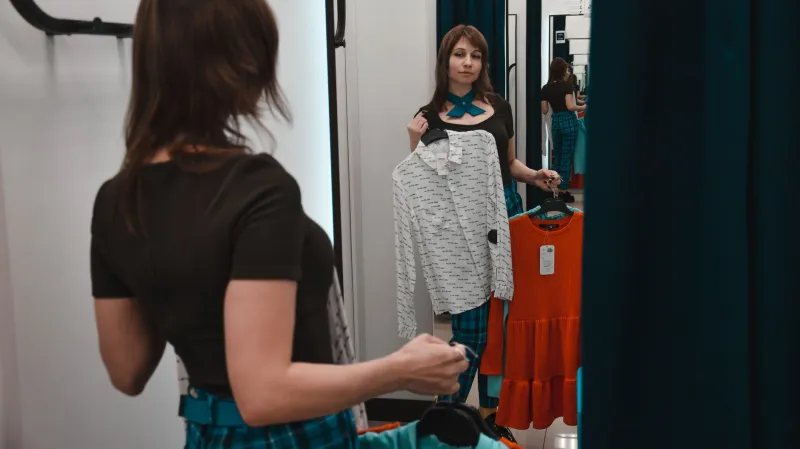
Sale rails have a way of making a size 10 sample look like the default and everything else look like an exception. In the 2026 UK occasionwear sales, that habit is still alive: petite rails tucked behind a pillar, tall ranges pushed online, mid-size pieces vanishing first, and plus-size discounts arriving late in odd colours. If you have ever walked away with a dress that was almost right because the price was too good to leave, this guide is for you. The goal is not to force a bargain into service. It is to find an occasion piece that fits you first, then let the discount be a bonus.
Start with your measurements, not the hanger
Before you open a single sale tab, take five minutes with a soft tape measure. Write down your bust, waist, hips and, for dresses, the length from your natural waist to where you want the hem to sit. If you are petite or tall, add shoulder-to-waist and nape-to-hem. Keep the numbers on your phone. This sounds fussy, but it stops you from doing the changing-room maths in bad lighting while a queue sighs behind you. It also makes online sale shopping far quicker, because you can dismiss anything that is clearly too short in the body or too deep at the armhole before it reaches your basket.
Why the sale rail is skewed
Sample sizes are usually small. Brands produce showroom samples in one size, often an 8 or a 10, and sale stock follows production leftovers rather than a neat cross-section of the population. That is why a rail can look generous until you realise every piece is a size 8 with a missing button. Online is not much better: filters default to popular sizes, and the pieces left in petite, tall or plus-size ranges are often the ones that did not sell at full price. None of this means the sales are a write-off. It means you need to shop the fit, not the label, and check the size breakdown before you fall for a colour.
Fit-first tactics for every range
Petite shoppers should check waist placement, not just hem length. A petite label is cut shorter through the body as well as the leg, and that matters on a fitted occasion dress. If you are shopping regular ranges, budget for hemming and check whether pockets, knee darts or embellishment will be cut off in the process. Tall shoppers should look for extra length in the body and sleeve, and ask whether the hem can be let down. A narrow hem allowance on a beaded dress is a warning sign.
Mid-size shoppers often get told to size up and belt it. That is not a fit strategy; it is a workaround. Look for seams that can be taken in at the waist, and check the bust-to-waist ratio before you buy. Plus-size shoppers should pay close attention to bust support, armhole depth and whether the fabric has enough stretch or structure to hold its shape. Sale stock in extended sizes can be thin on the ground, so set alerts for the brands and ranges that already fit you well rather than scrolling through pages of sizes that will never work.
The alteration maths
Alterations can be the difference between a sale dress and a forever dress. Simple hems, shortened straps, taking in a waist seam and adding a hook-and-eye are usually straightforward. Complex work, such as lifting shoulders, reshaping armholes or rebuilding a bodice, can cost more than the dress and rarely ends well on a heavily embellished piece. Ask a tailor before you buy, get a quote with the dress in hand, and factor it into the total price. A £40 dress that needs £45 of work is not a £40 dress. It might still be worth it, but only if the fit is close to begin with.
Do not let the discount decide
A 70% reduction is not a reason to ignore a gaping armhole. The moment you start negotiating with yourself, with lines like I could wear a jacket, I could stand differently, or I could lose weight, put it back. A dress that needs a cardigan to feel decent is not a bargain; it is a project. Occasionwear should let you forget what you are wearing for a few hours, not remind you to hold your arms a certain way in every photograph.
The other trap is buying two sizes because the sale is final. Check the returns window first. If you can return one, buy both and try them at home with the shoes and underwear you will actually wear. If you cannot, do not gamble on hope.
The at-home try-on that tells the truth
Once you are home, try the dress with the right shoes and the undergarments you plan to wear. Sit down. Walk up stairs. Reach forward as if you are hugging someone. Check that the zip does not gape and the lining does not twist. Take a photo in daylight, not just in the flattering mirror light. If it passes those tests, you have found something worth keeping. If it only works when you stand still and suck in, you already know the answer.
A Cinderella checklist for the size-inclusive sale rail
- Measure once, save the numbers on your phone and check them against the brand size chart before you buy.
- Filter by your size first, then by colour and occasion, so you are not tempted by pieces that were never going to fit.
- Check the fabric, lining and seam allowance before you commit to a heavily reduced piece.
- Price the alteration before you buy, and walk away if the work costs more than the dress is worth to you.
- Take the dress for a real test: sit, walk, climb stairs and reach forward.
- Say no to almost. A dress that fits well at 50% off is better than a dress that fits badly at 70% off.
- Build the look around the dress, not the other way round: the right shoes, the right support and a hem that sits where you want it.
The sale rail is not a judgement on your body. It is a mismatched collection of stock, and your job is to find the piece that matches you. Shop with your measurements, keep the alteration quote in mind, and leave the almost-right bargains for someone else.