The Borrowed Edit: Building a Cinderella Occasion Look from UK Charity and Outlet Rails
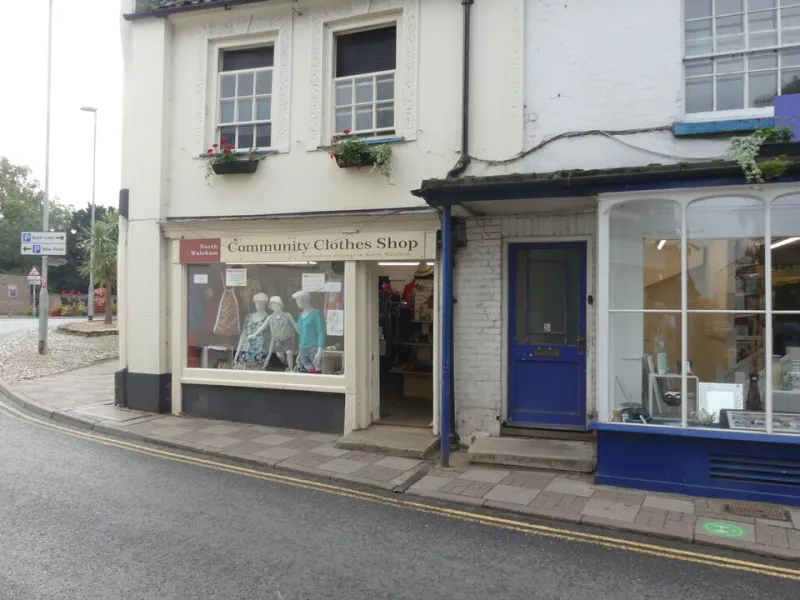
Photo: David Pashley , CC BY-SA 2.0, via Wikimedia Commons
There is a particular kind of satisfaction in walking into a wedding or a Christmas party knowing that your outfit came from three different rails, one friend's jewellery box and a very good afternoon in an outlet village. The borrowed edit is not about looking cheap. It is about looking considered. It is the Cinderella idea turned practical: a little scavenging, a little borrowing, a little alteration and a result that feels entirely your own.
For UK shoppers, this is a genuinely useful approach in 2026. Occasionwear prices have not become friendlier, and the fast-fashion cycle still encourages us to buy a new head-to-toe look for every invitation. But a charity rail, an outlet sale and a borrowed clutch can create something far more interesting. Here is how to do it without ending up with a dress that only works for one night and a bag you will never use again.
Why the borrowed edit works
An occasion outfit is usually made of four parts: the dress, the shoes, the bag and the finishing touch. Most of us already own one or two of those. The borrowed edit starts by asking what you actually need. If you have a pair of comfortable metallic sandals, build around them. If your sister has a beaded clutch, borrow it. If your mum has a wrap that matches everything, ask nicely and return it clean.
The rest can come from charity shops, outlet sales and targeted online finds. This is not about filling a bag with random bargains. It is about buying fewer, better pieces and letting the borrowed parts do some of the work. The result is often more personal than a single high-street look, and it costs less per wear.
Start with the rail, not the trend
Charity shops are best approached with a clear idea and an open mind. Know the occasion, know the colours you actually wear and know the shapes that suit you. Then look for fabric first. A simple dress in a good material will always beat a trend-led piece in a thin synthetic. Check the label: wool, silk, cotton, viscose and good-quality blends are worth a closer look. A lined dress is usually a better bet than an unlined one, especially for winter events.
Outlet villages and outlet sections are useful for shoes, bags and simple dresses, but they reward patience. Do not buy something just because it is reduced. Check the returns policy, inspect the seams and try everything on. A sale dress that does not fit is not a bargain; it is a donation waiting to happen. The best outlet finds are often the classic pieces: a block-heel shoe, a structured clutch, a plain wrap dress or a well-cut coat that works over occasionwear.
How to spot a quality fabric in ten seconds
Run your hand over the fabric. Does it feel substantial or thin? Hold it up to the light. Can you see through it when you should not? Check the seams: are they straight, secure and finished? Look at the lining. A good lining makes a dress hang better and feel nicer against the skin. Check the zip and the buttons. If they look flimsy, they can be replaced, but factor that into the cost.
Look under the arms and around the hem for stains, wear and pulled threads. Charity-shop pieces are often in excellent condition, but occasionwear can hide problems in the lining or under the arms. If the fabric is beautiful but the dress is too long, that is usually an easy fix. If the shoulders are wrong, walk away. Shoulder alterations are rarely worth the trouble.
The alteration test
A simple hem, a taken-in waist or shortened straps can turn a charity-shop find into something that looks made for you. Before you buy, ask yourself whether the alteration is simple or structural. Hems and waist seams are usually straightforward. Taking in a lined bodice or reshaping a shoulder is more complex and can cost more than the dress.
Get a quote from a local alterations service before you commit if you are unsure. In the UK, a simple hem might cost £10 to £20, while more involved work can climb quickly. Add that to the purchase price and compare it with buying new. Sometimes the altered charity find is still the better deal, and sometimes it is not. The point is to count the real cost, not just the ticket price.
Shoes and bags: the coordination rule
You do not need matching shoes and bag. You need them to look related. A metallic shoe works with almost everything, and a black or navy bag is rarely wrong. If the dress is busy, keep the accessories quiet. If the dress is plain, you can afford a bolder bag or a borrowed piece of jewellery.
Comfort matters more than coordination at the end of the night. A second-hand pair of shoes can be a brilliant find if the soles are in good condition and the fit is right, but be honest about the heel height. If you cannot walk in them for twenty minutes in the shop, you will not walk in them at midnight. A block heel, a dressy flat or a low wedge is often the smarter buy for UK venues with cobbles, gravel or long corridors.
Borrowed accessories, not borrowed trouble
Borrowing is a lovely idea until something goes missing. Be clear about what you are borrowing, when you will return it and how you will look after it. Photograph the item before you take it out. Keep it in a safe place at the venue. If it is valuable or sentimental, perhaps borrow something else. A borrowed clutch or pair of earrings can make an outfit feel special, but not at the cost of a friendship.
If you are the one lending, say yes to the pieces you can afford to lose. The borrowed edit works best when everyone is relaxed about it.
The one-wear trap
A one-wear mistake usually happens when you buy for the event rather than for yourself. If the dress only works with one pair of shoes, one bag and one hairstyle, it will struggle to earn its place. Look for pieces that can be worn to a wedding, a Christmas party and a nice dinner without looking like a costume. A simple dress in a good fabric can be restyled with a wrap, a different bag and a change of jewellery.
Before you buy, ask yourself: could I wear this twice in the next twelve months? If the answer is no, put it back. The borrowed edit is meant to be creative, not costly. A small, thoughtful capsule of one dress, one pair of shoes, one bag and a couple of borrowed extras will serve you better than a rail of maybes.
Putting it together
Start with the invitation. Decide the level of formality, then shop your own wardrobe first. Look for the shoes and bag you already own, then borrow one finishing touch. Search charity shops and outlet rails for the missing piece, checking fabric and fit before price. Factor in alterations. Try the whole outfit on at home, including the coat or wrap you will wear, and walk around in the shoes. If it works, stop shopping. That is the real Cinderella moment: not the glass slipper, but the outfit that fits, lasts and feels like you.