Buy Now, Wear Next December: The January 2027 Rail That Beats the Rush
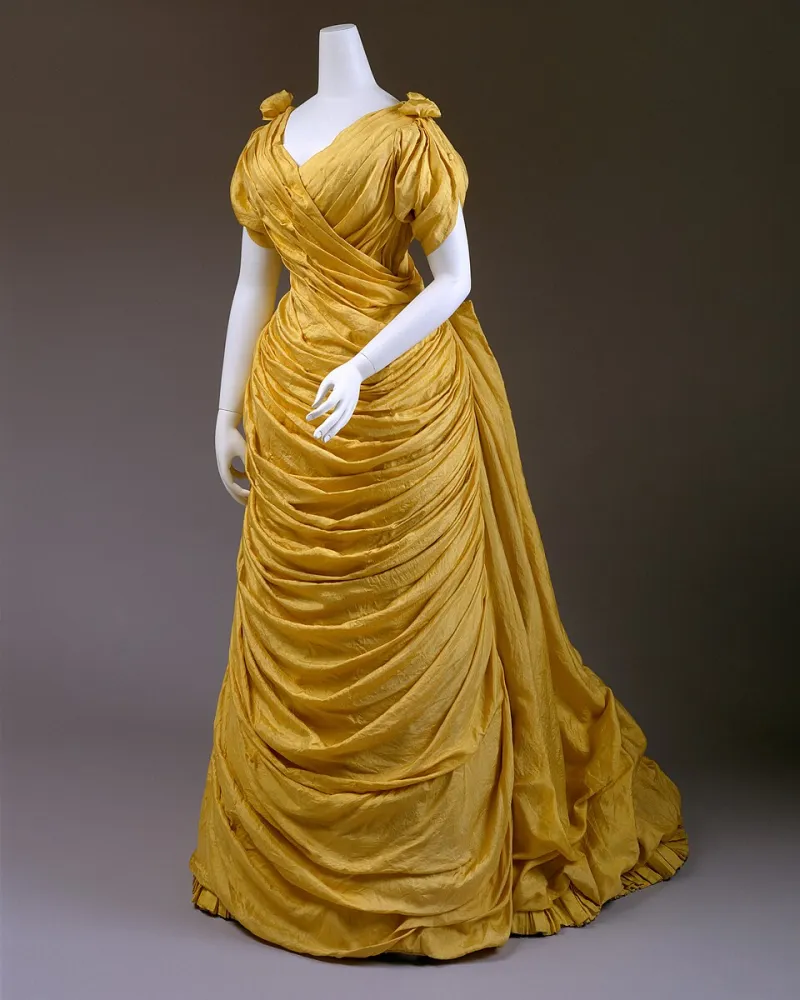
Photo: Liberty, CC0, via Wikimedia Commons
The January sales have a reputation problem. We treat them as a clearance event for the person we were in December, not the person we will be next winter. But for occasionwear, the post-Christmas rail is quietly one of the best shopping opportunities of the year. The party season is over, the stock is reduced, the queues are shorter and the pressure to buy something for Friday night has gone. If you shop carefully in January 2027, you can open your wardrobe in December 2027 with a dress that feels new, fits properly and did not cost a fortune.
This is not about buying ten things because they are cheap. It is about buying one or two genuinely useful occasion pieces when the shops are quiet, then looking after them properly so they are ready when the invitations arrive.
Why January Beats November
By January, the party season stock has been picked over but not completely cleared. You will find fewer sizes, it is true, but you will also find deeper reductions and less competition. The sales assistant has time to help, the changing rooms are calmer and you can think about fit rather than panic. The catch is that returns policies can be tighter on sale items, so check before you buy and try everything on properly.
January is also a useful reality check. You know which pieces you actually wore in December 2026 and which ones stayed in the wardrobe with the tags on. Use that knowledge. If you reached for the same velvet midi three times, that is your template. If you bought a sequin jumpsuit and never wore it, do not buy another one just because it is 70 per cent off.
Buy for December 2027, Not for January 2027
The biggest mistake in the January sales is buying for the mood you are in, not the occasion you will attend. A fluffy pink mini dress may feel joyful on a grey January afternoon, but will it work for the December 2027 party you have not been invited to yet? Maybe. But you need a better test.
Think about the events you typically attend: work parties, family dinners, winter weddings, theatre trips, Boxing Day lunches, New Year's Eve. Think about the venues: a pub, a hotel, a marquee, a restaurant with low lighting. Think about the weather: cold, wet, likely to require a coat and shoes that can handle a pavement. Then buy for that life, not for a stranger's Instagram.
The Classics That Earn a Year in Storage
Some occasion pieces are worth buying a year ahead because they will not date. A bias-cut midi in a heavy fabric, a simple column dress, a velvet blazer, a tailored jumpsuit, a sequin skirt in a classic colour or a well-cut coat all have long shelf lives. Dark florals, deep jewel tones and neutral metallics also tend to survive the trend cycle better than novelty prints or extreme silhouettes.
Check the construction before you commit. Look at the seams, the lining, the zip and the hem. A classic shape in a poor fabric will not improve with age. A simple shape in a good fabric will look expensive for years.
The Trends Worth Waiting a Year For
Not every trend is a trap. Some trends have enough momentum to last a year, especially if they are about texture or colour rather than a very specific cut. Deep burgundy, chocolate brown, silver metallics, velvet, corduroy, tactile fabrics and statement sleeves all have a reasonable chance of still feeling right in December 2027. If you love one of these and it suits your body and your life, January is a good time to buy it.
Other trends are better left on the rail. Micro-cutouts, extreme platforms, heavily themed prints and very short hemlines can look dated by the following winter. If you are buying for a specific event in 2027, you can take a chance on a trend. If you are buying for the general party season, stick to the classics and add trend through accessories.
The Storage Plan That Protects Your Investment
A sale dress only becomes a bargain if it survives until December. Before you store it, clean it. Follow the care label, but if the dress has beading, heavy embellishment or a delicate fabric, use a specialist dry cleaner and explain that it will be stored. Do not leave deodorant, perfume or makeup on the fabric for eleven months.
Store the dress on a padded hanger in a breathable garment bag. Avoid plastic covers, which trap moisture and can discolour fabric. Use acid-free tissue paper for folds and sleeves, especially on beaded or embroidered pieces. Keep the wardrobe cool, dark and dry. If you use cedar blocks, check they are not touching the fabric directly. Check the piece once in the summer, then again in late November 2027. Look for moths, damp, loose beads or a hem that has dropped.
The Repair List You Make in January
If the dress needs a hem, a zip or a small repair, do it in January rather than December. Tailors are quieter after Christmas and you will have time to source matching thread or beads. Make a list and deal with it while the piece is still new to you. If the shoes need new heel tips, get them done now. If the bag needs a new clasp, fix it now. Future you will be grateful.
The Permission Slip
You do not need to buy a whole new wardrobe in January. One good dress, one pair of comfortable occasion shoes and one useful layer is enough. Buy the piece you can imagine wearing to at least three different events, and buy it in a size that fits today, not a size you hope to be. The January rail is a time machine, but it only works if you are honest about the person who will step out of it next December.