What the Ball Really Costs: A Kind Budget for the 2026 UK Party Season

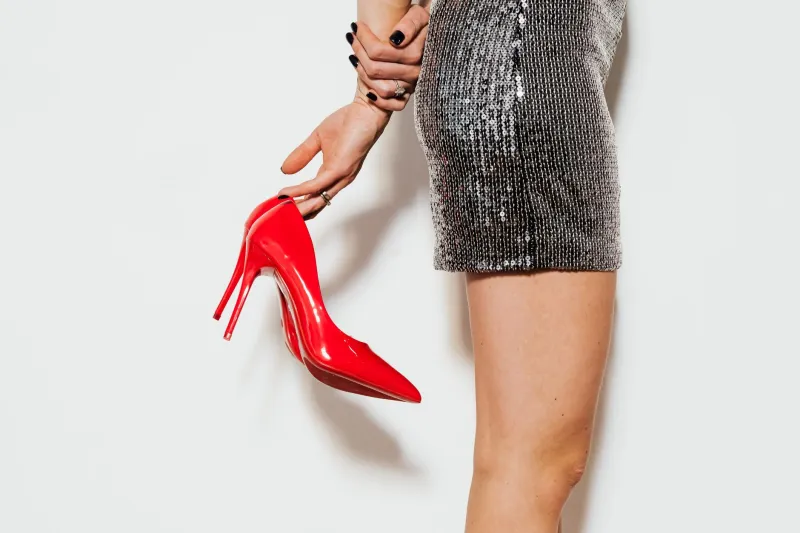
Photo: Jules Verne Times Two, CC BY-SA 4.0, via Wikimedia Commons
By 8 November 2026, the end-of-year calendar has a way of turning from a few nice drinks into a full costume drama. There is the work do, the friend's birthday dinner, the school fundraiser, the wedding, the Christmas Eve pub tradition and the New Year's Eve plan that somehow requires a different outfit from all of the above. At Cinderella Me Sales, we love a sale rail as much as anyone, but a bargain only stays a bargain when you can see what it really costs.
This is not a lecture about skipping the sparkle. It is a budgeting plan for people who want to enjoy the 2026 UK party season without a January hangover made entirely of Klarna reminders. Think of it as the fairy godmother's budget: a little magic, a lot of arithmetic, and no nasty surprises at checkout.
Start with the invitations, not the dresses
Before you open a single retailer tab, list every event you have been invited to between now and early January. Add the date, the venue, the dress code and the likely travel. Then sort each one into three honest piles: must-go, would-like-to-go and can-decline-without-a-social-incident.
Only the must-go and would-like-to-go events need outfit planning. If the list is still long, look for overlap. A velvet midi can work for a restaurant dinner and a carol concert. A pair of comfortable occasion shoes can serve three invitations if you plan around them. The goal is not to wear the same thing to every party; it is to stop buying as though every invitation is a separate film premiere.
Set an all-in cap, not just a dress price
The most useful number in party-season budgeting is not the price on the tag. It is the all-in cap: the maximum you are willing to spend for one event, including the outfit, shoes, bag, coat, travel, alterations and any return postage. If you set a £60 outfit cap but then spend £18 on a hem, £12 on tights, £25 on shoes and £8 on a return, the real cost is closer to £123.
Try a three-number rule for each event. First, set the all-in cap. Second, set the rewear target: how many times you realistically expect to wear the main piece. Third, set an absolute maximum you will not cross even if the thing is perfect. Write all three down before you shop. A number in a notes app is much harder to argue with than a number in your head at 11pm on a Black Friday sale page.
Separate sale-rail temptation from genuine need
Sale rails are designed to make a maybe feel like a yes. The lighting is kind, the price is slashed and there is always the fear that someone else will take it. Before you buy, ask four questions. Do I have a specific event for this? Does it fit properly right now, without imagining a future version of me? Can I wear it with at least two things I already own? And is the return window long enough to try it properly at home?
If the answer to the first question is no, it is not a party-season purchase. It is a costume for a fantasy future. That does not make it evil, but it should come out of a different budget. Keep a separate 'just because' pot if you like, but do not let it eat the money you need for the events you are actually attending.
Factor in the invisible costs
Alterations are the classic Cinderella detail. A hem can cost £15 to £35, a zip replacement more, and a structured bodice adjustment more again. Ask for a quote before you agree, and check whether the sale item is final sale. If the dress is non-returnable and needs £30 of work, that needs to be in your all-in number from the start.
Accessories are next. You may not need new shoes, but you might need insoles, heel grips or a bag that fits a phone. Travel counts too: late-night taxis, train fares, parking and the coat you need because the venue's cloakroom is a pile of chairs. Returns are part of the maths as well. UK returns windows are often 14 or 28 days, and some sale items come with postage costs that are not refunded. Check the small print before you remove the tags.
Make the final outfit cost visible
A simple outfit calculator stops the fog. For each event, write down the main piece, the shoes, the accessories, alterations, travel and any cleaning afterwards. Then divide the total by the number of times you expect to wear the main piece. A £90 dress worn three times is £30 a wear before shoes. A £45 dress worn once is £45 a wear, even if it felt like a steal.
That does not mean the £45 dress is always the wrong choice. Sometimes one great night is worth it. The point is to see the number clearly before you decide. If the all-in cost makes you wince, consider borrowing, renting, rewearing something from your own wardrobe or shopping your local charity rails with a specific event in mind.
A kind rule for the last week
In the final week before an event, panic purchases are rarely the answer. Check your capsule first. Can you change the shoes, add a belt, borrow a bag or have a hem taken up? A small repair is often cheaper than a new outfit and kinder to the planet. If you do buy, keep the receipt, keep the tags on until you have tried it with the shoes and coat, and give yourself 24 hours before checkout if the purchase is over your cap.
The fairy godmother's budget is not about saying no to every ball. It is about knowing the cost of the glass slipper before midnight, so you can enjoy the dancing without wondering how you will pay for the coach.